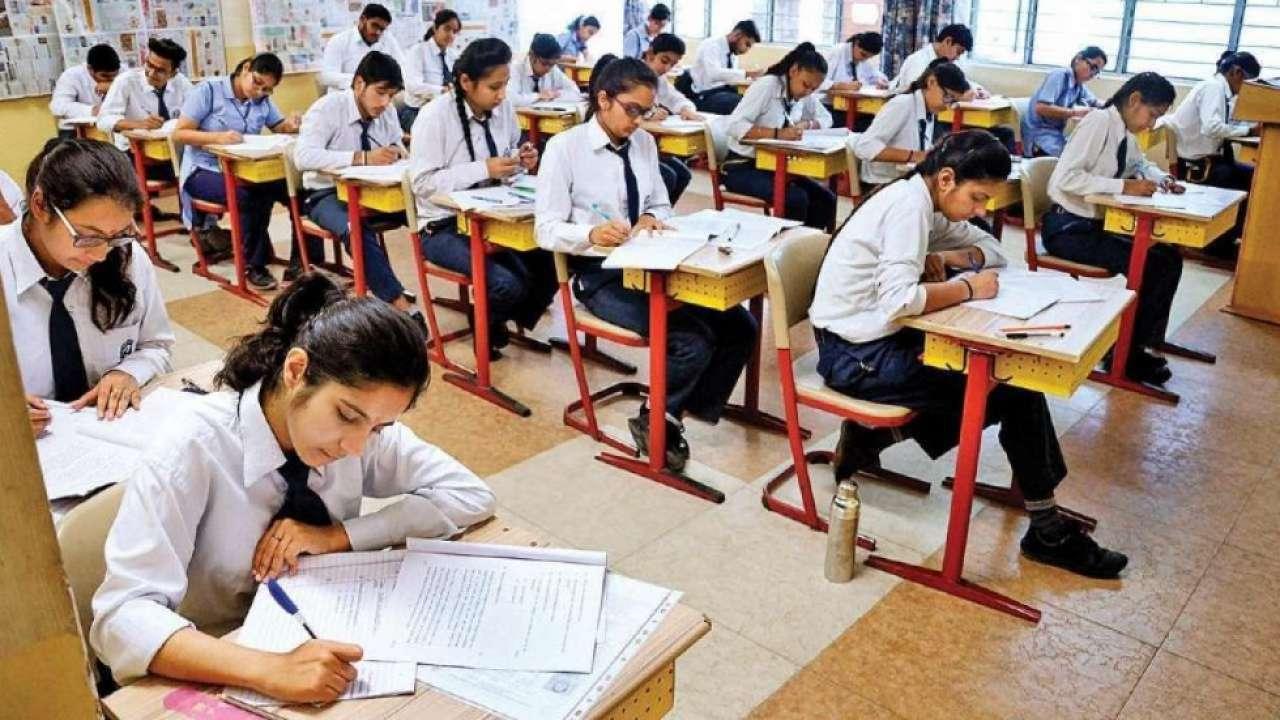

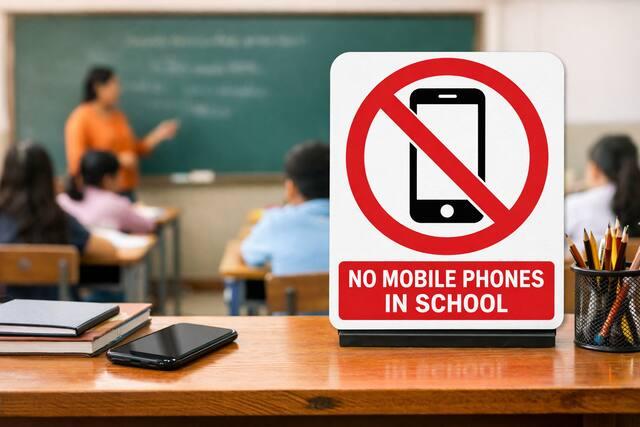
In last three years globally, there has been restriction or banning of mobile phones in schools implemented by government of various countries. As per UNESCO’s Global Education Monitoring (GEM) Report 2026, in just three years the share of education system restricting or banning mobile phones in schools has more than doubled from 24% in 2023 to 58% in 2026, with 114 countries now enforcing national level curbs.

The banning/restriction of mobile phone’s policy remain diverse globally. Countries such as France have implemented near total bans in certain grades, while others including UK have opted for national guidance with school level enforcement. In US and Germany the regulation is generally driven at state or regional levels as wider national action. Studies cited in GEM report that restriction of use of phones in schools has improved academic performance and reduced class room disruption.
In India, smart phone penetration is very high, and now 85% household have at least one device, and still there is no national policy governing phone use in schools. Instead regulation remains fragmented across states, boards and individual schools. Some states like Himachal Pradesh have announced statewide ban of mobile phones in school from March 2026. While state of Karnataka has restricted social media access to children less than 16 years reflecting broader concerns that extends beyond classrooms.
With global systems converging on structured regulation, it needs to be seen whether India continues with its decentralized approach or frame a national policy balancing the screen time, digital learning, and discipline.